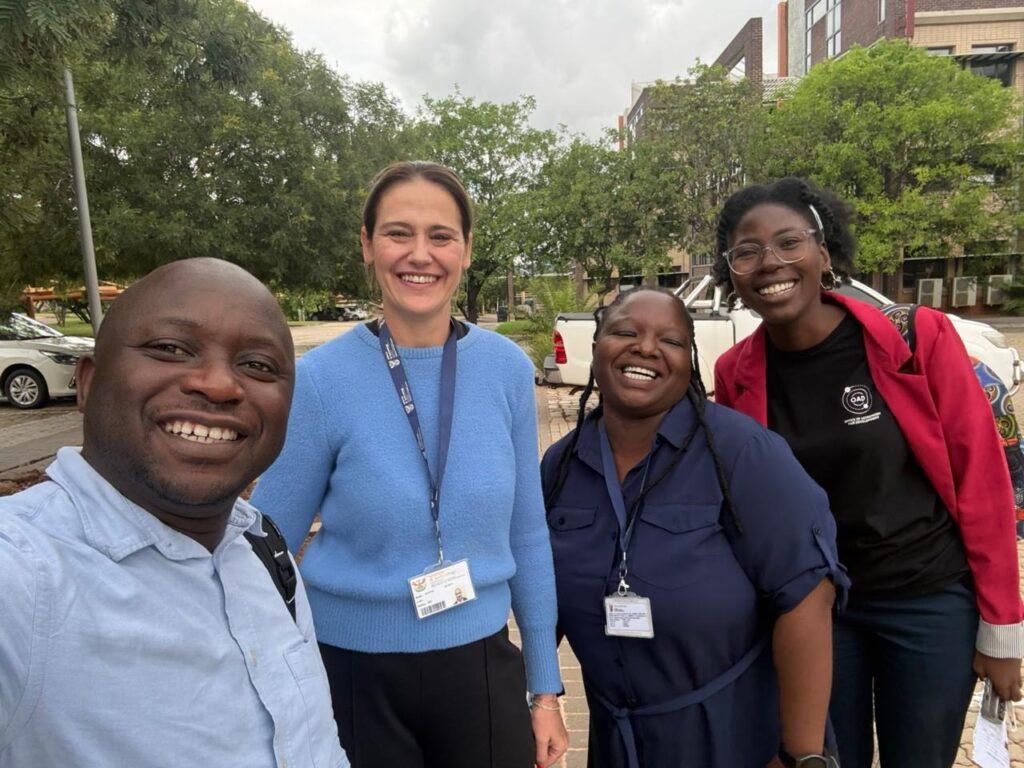

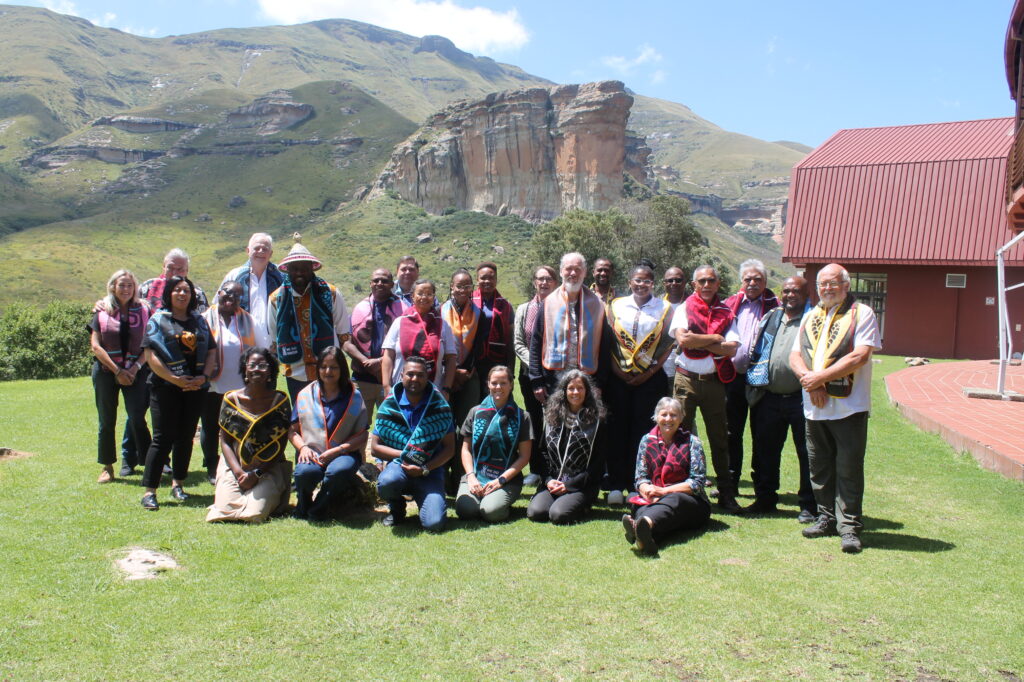
The first half of March marked a period of active engagement for Dr Joyful Mdhluli, Flagship Coordinator at the OAD. Through a series of meetings, workshops, and institutional visits across South Africa, Dr Mdhluli contributed to conversations on astrotourism, astronomy for development, and strengthening partnerships between government, academia, and science institutions.
These engagements reflect the continued effort of the OAD to build collaborations that position astronomy as a powerful tool for societal development.
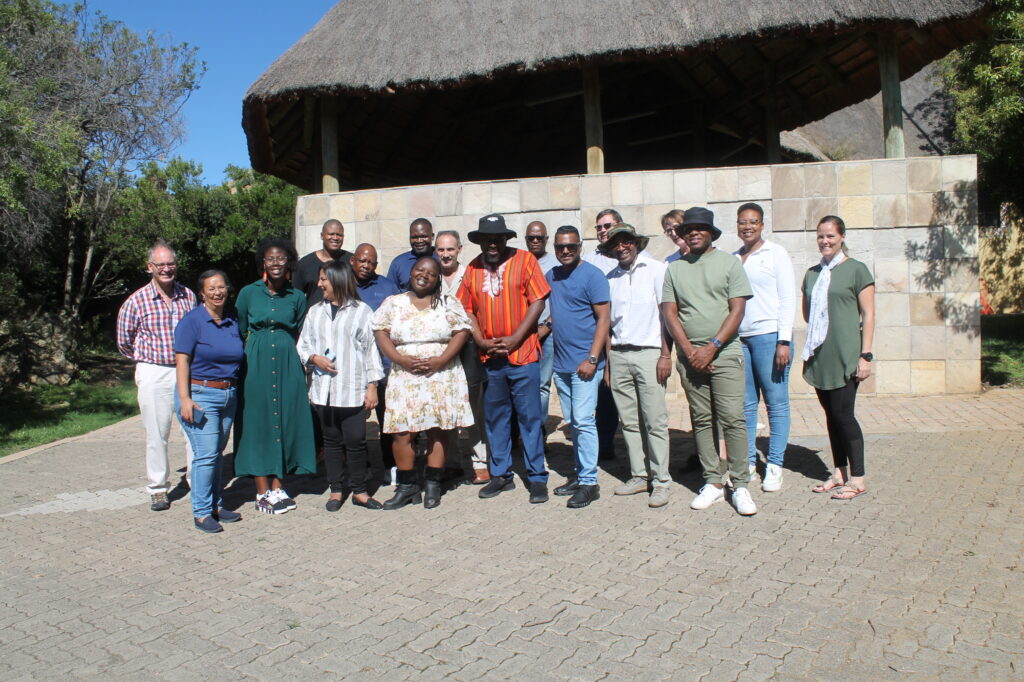
Deep Time Tourism Workshop – 2 March
The engagements began on 2 March with participation in a Deep Time Tourism Workshop hosted by the South African Department of Tourism. The workshop brought together key stakeholders and experts to explore the concept of Deep Time Tourism – a specialised tourism model that highlights the vast temporal scales of human and natural history.
Participants engaged in discussions across three workstreams: paleontology, geology, and astronomy. The aim of the workshop was to collaboratively develop a framework and implementation plan that integrates science, culture, and sustainability into tourism experiences. By bringing together these disciplines, the initiative seeks to create immersive ways for visitors to engage with South Africa’s unique scientific and cultural heritage.
National Astro-Tourism Governance Body Meeting – 3 March
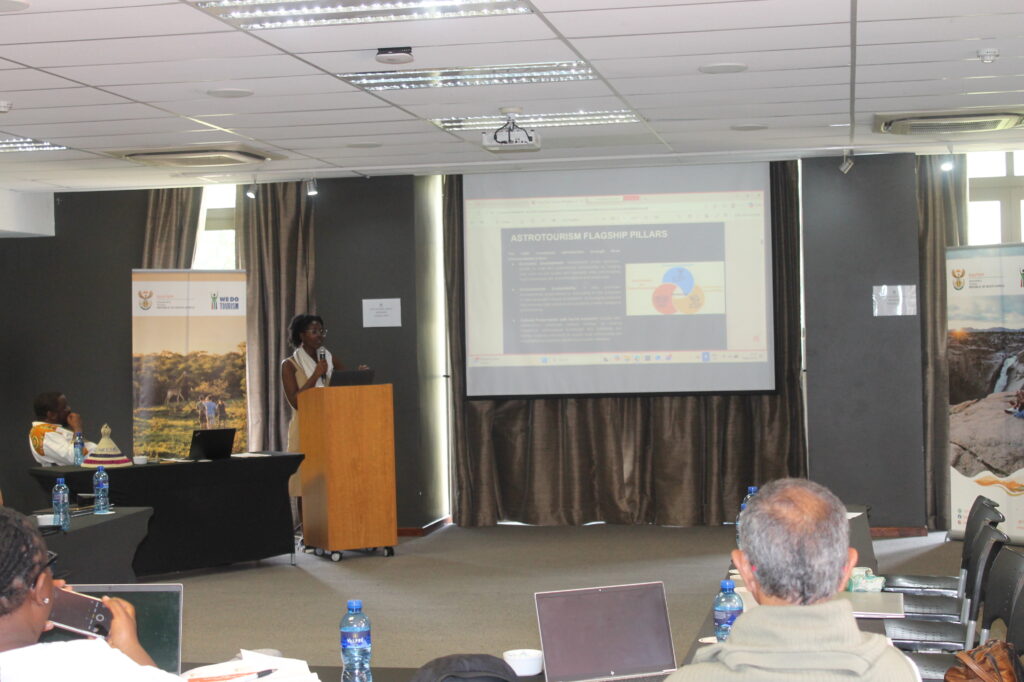
On 3 March, Dr Mdhluli participated in the Annual National Astro-Tourism Governance Body meeting, which convened stakeholders involved in advancing astrotourism initiatives in South Africa.
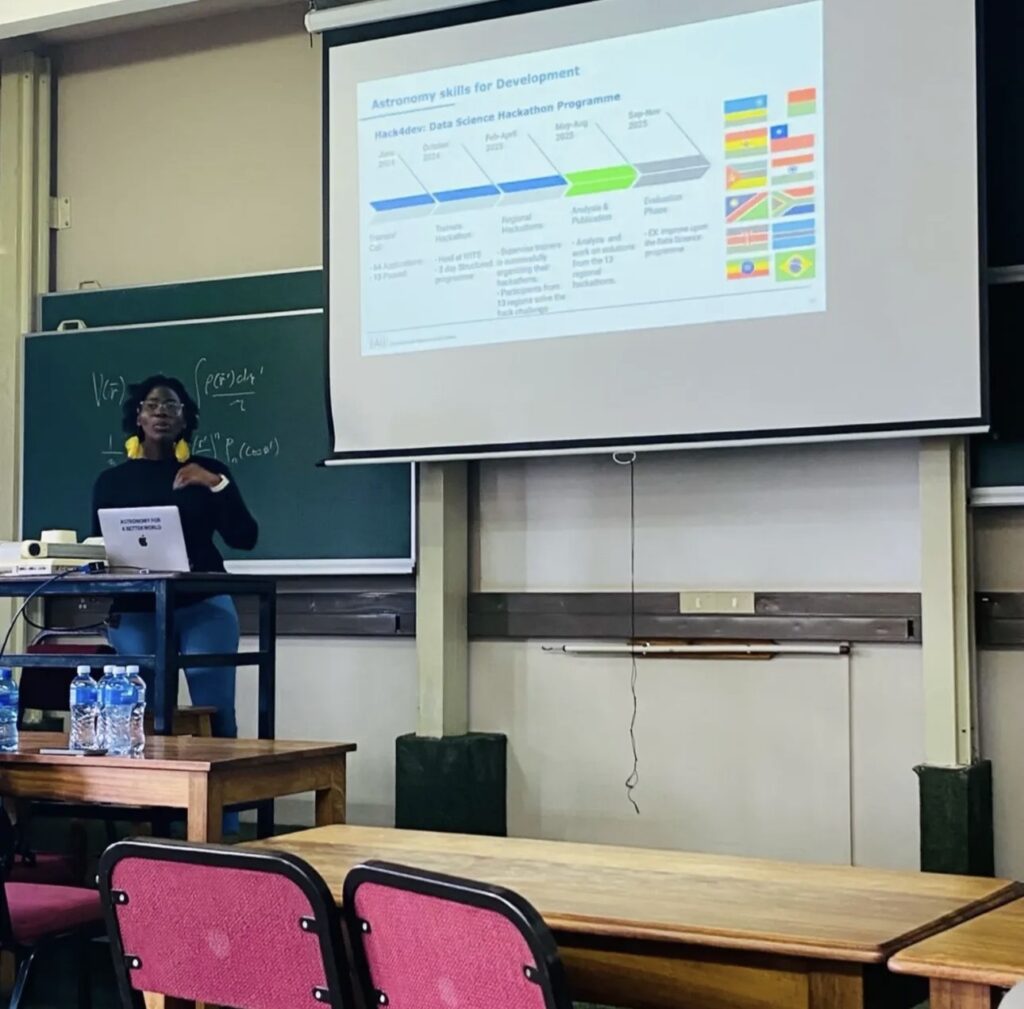
During the meeting, Dr Mdhluli presented a global overview of the OAD’s astrotourism-related funded projects, including projects implemented in South Africa. The presentation also highlighted the OAD’s Astronomy for Mental Health flagship project, one of the flagship initiatives coordinated through the OAD that explores how engagement with astronomy and the night sky can support mental wellbeing.
In addition, Dr Mdhluli delivered a presentation on a 2026 project jointly funded by the OAD and the Development in Africa with Radio Astronomy (DARA) programme, Astro Tourism for Development: Storytelling, Science, and Socio-Economic Growth in South Africa, outlining the objectives and expected impact of the initiative.
Engagement with the Department of Science, Technology and Innovation – 4 March
On 4 March, Dr Mdhluli, together with Dr Charles Takalana, Deputy Director of the OAD, visited the South African Department of Science, Technology and Innovation (DSTI). The DSTI supports the OAD through the National Research Foundation (NRF).
During the meeting, the OAD team provided an overview of current activities of the International Astronomical Union and the OAD, with a particular focus on programmes and collaborations taking place across the African continent. The discussion was especially relevant given the department’s multilateral partnerships with several African countries, creating opportunities to strengthen collaboration and align efforts around astronomy and development.
University Engagements – 5 and 6 March
Engagements with universities formed an important part of the week, providing opportunities to strengthen connections with academic institutions and explore future collaborations.
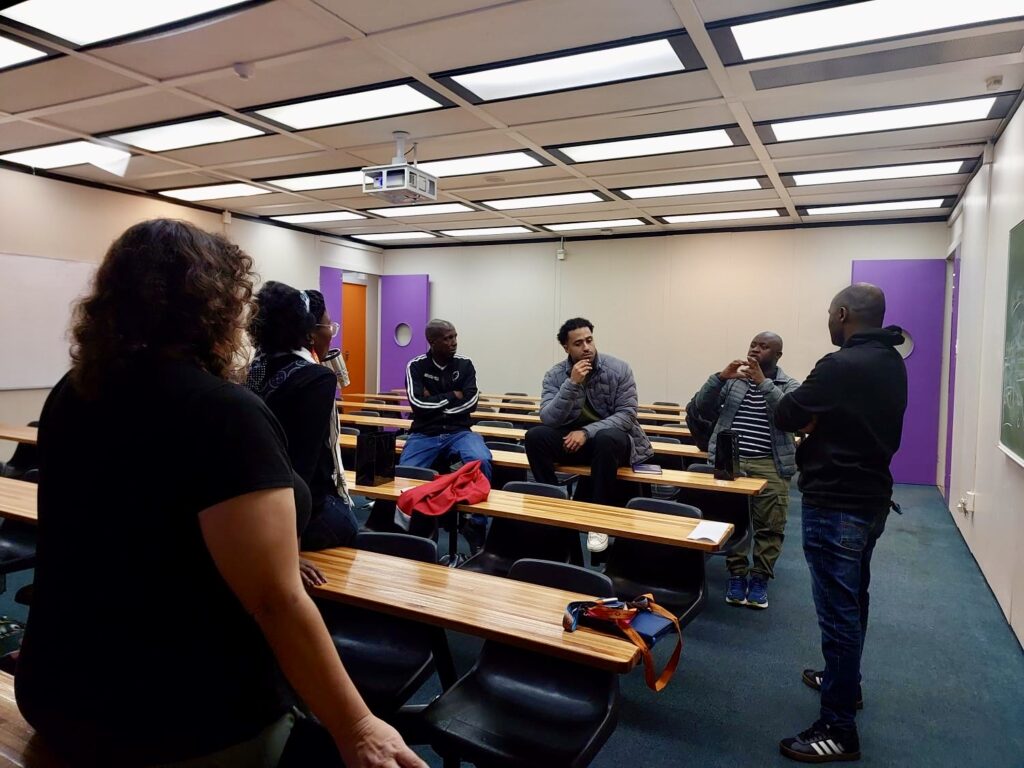
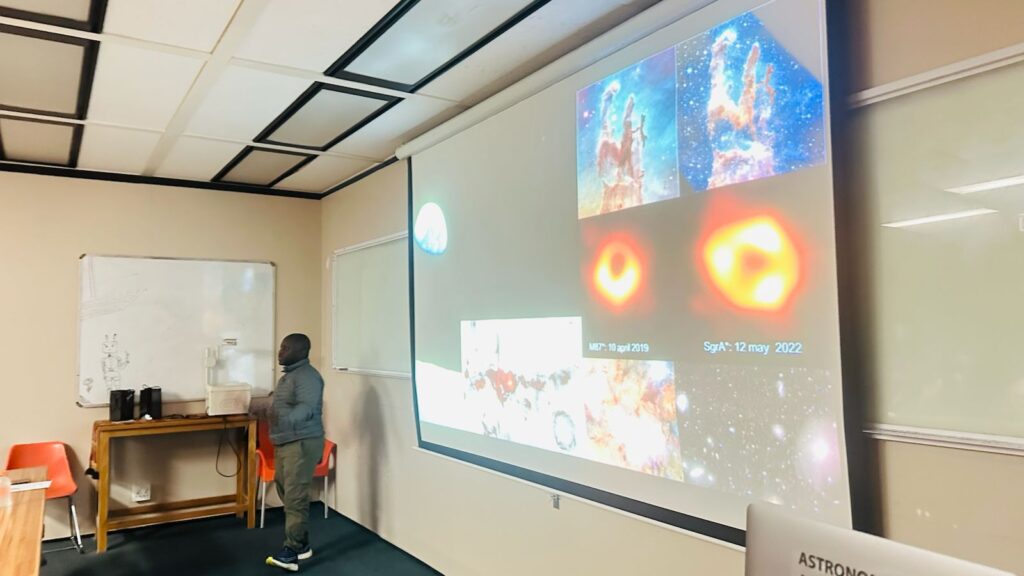
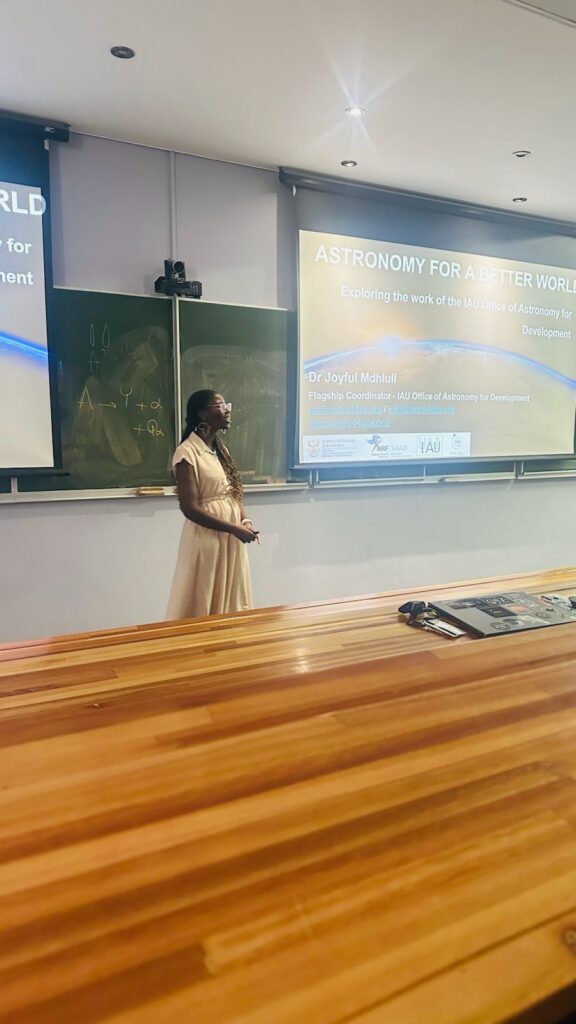
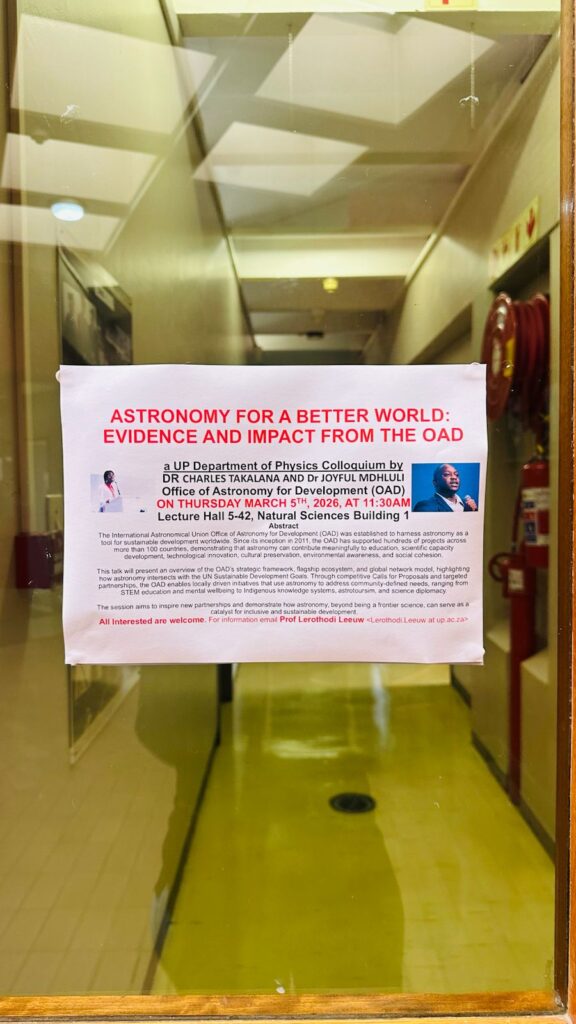
On 5 March, Dr Mdhluli visited the Physics Department at the University of Pretoria. During the visit, updates were shared on current IAU and Astronomy for Development programmes, and discussions focused on the OAD’s flagship ecosystem and potential opportunities to strengthen collaboration with the university.
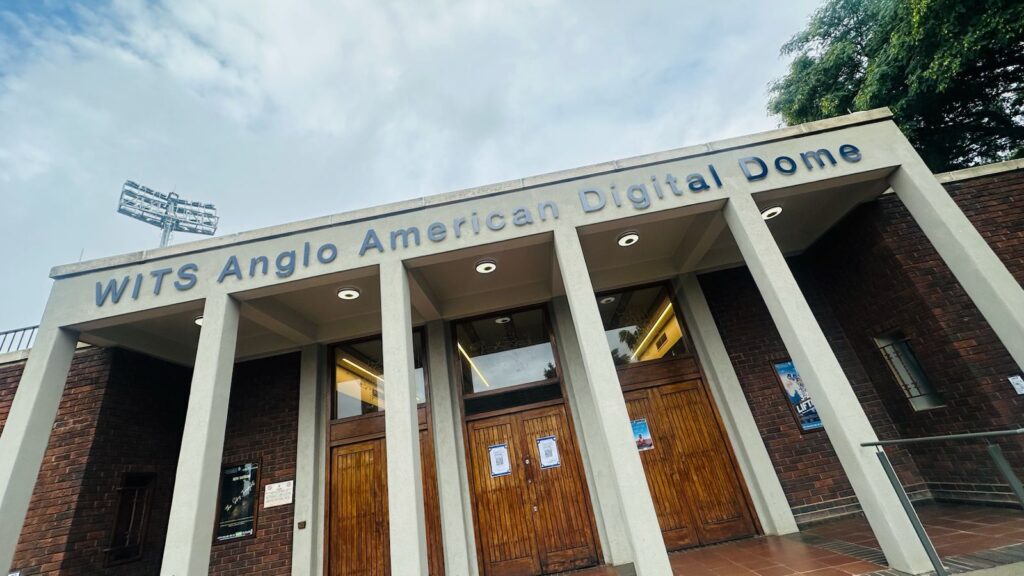
Later that day, Dr Mdhluli and Dr Takalana visited the Wits Anglo American Digital Dome. The visit aimed to explore how the two institutions could work together more closely, particularly in relation to astrotourism initiatives and the Astronomy for Mental Health flagship project. Discussions also explored how astrotourism experiences could be incorporated within urban environments, highlighting opportunities to bring astronomy-related tourism and educational experiences into cities.
On 6 March, the OAD team together with the Associate Director of IDIA, Dr Sally Macfarlane, visited the Physics Department at the University of Johannesburg – an institution of special significance to Dr Takalana, who completed his undergraduate and honours degrees in Physics there. During the visit, updates on IAU and OAD programmes were shared, and discussions focused on ways to strengthen collaboration between the university and the OAD. The engagement sparked several ideas for future initiatives, with plans for continued discussions moving forward.
Strengthening the National Astrotourism Strategy – 9 March
On 9 March, Dr Mdhluli visited the South African Department of Tourism to discuss how the OAD can continue contributing to the implementation of South Africa’s National Astrotourism Strategy. The meeting explored ways in which the OAD’s global network, funded projects, and flagship initiatives can support the development of sustainable astrotourism initiatives that both protect dark skies and create opportunities for local communities.
Returning to Wits – 11 March
The final engagement during this period took place on 11 March with a visit to the School of Physics at the University of the Witwatersrand. During the visit, Dr Mdhluli shared updates on current IAU and Astronomy for Development programmes and discussed opportunities for collaboration between the OAD and the university. The visit also provided a meaningful opportunity for Dr Mdhluli to reconnect with former lecturers, having previously studied at Wits, reflecting on the journey from student to now contributing to global efforts in astronomy for development.
These engagements over the two-week period highlight the growing interest in harnessing astronomy as a tool for education, tourism, wellbeing, and sustainable development. Through continued partnerships with universities, government departments, and science institutions, the OAD remains committed to strengthening collaborations that advance its mission of astronomy for a better world.